In a society increasingly dedicated to sustainability, mindful consumption, and prudent financial choices, the realm of luxury is experiencing a significant shift. The charm of high-end fashion is now more than just the immaculate, unworn items displayed in flagship stores. A new breed of consumer is uncovering the substantial worth and distinct attraction of previously owned designer fashion. Welcome to the universe of pre-loved luxury, a flourishing environment where timeless elegance, investment opportunities, and ecological consciousness come together.
From iconic handbags and second-hand designer dresses to classic pre-owned loafers and eye-catching used designer belts, the second-hand designer marketplace provides unmatched access to the finest offerings in the fashion industry. Yet, beyond the immediate allure of a reduced price point, purchasing pre-owned is a calculated choice that yields both financial and ethical benefits.
This guide will investigate why tapping into the resale luxury market is among the wisest decisions a contemporary fashion lover can undertake. We will examine the investment advantages, the sustainability aspect, and the excitement of seeking out rare, unique items from renowned brands like pre-owned Balenciaga, preowned Goyard, and used Dolce and Gabbana.
The Financial Argument for Pre-Loved Luxury
While the initial shock of luxury prices can be overwhelming, the pre-owned designer market recontextualizes the discussion entirely — shifting from a mere purchase to a genuinely astute investment.
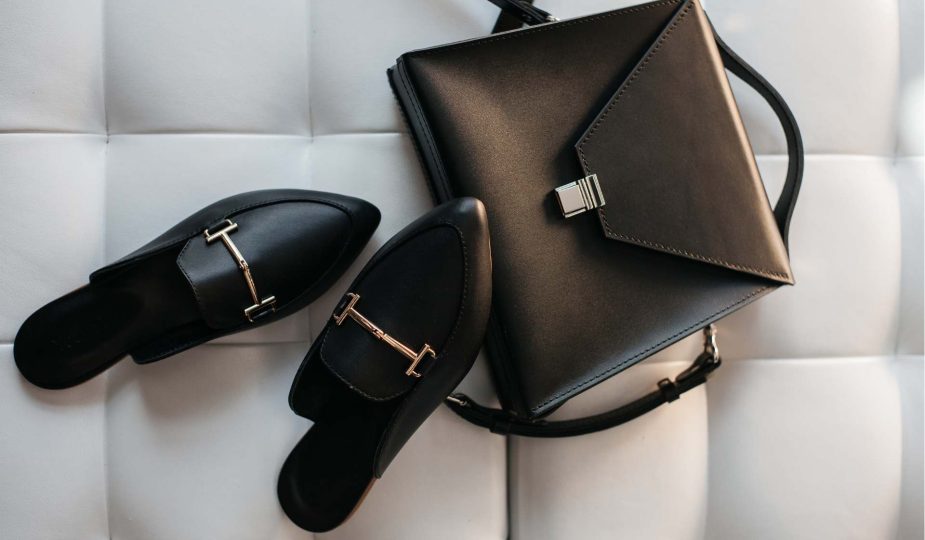
Exceptional Value Without Sacrifice: The most immediate advantage is financial. Obtaining genuine, high-quality pre-owned designer dresses, classic pre-owned loafers, or attention-grabbing used designer belts at a fraction of their original retail prices makes luxury truly affordable without compromising quality or style. You can also peruse a carefully selected array of pre-owned designer accessories to uncover timeless items that enhance any wardrobe.
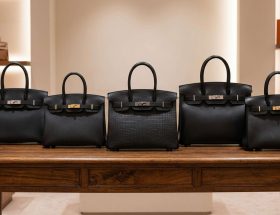
Investment and Growth: Certain luxury items are renowned for maintaining or even appreciating in value over time. Iconic handbags from Hermès, Chanel, or preowned Goyard consistently outperform traditional investments. Unlike fast fashion that depreciates entirely after a single season, a well-selected second-hand designer article can evolve into a tangible, appreciating asset. For example, pre-owned Balenciaga sneakers and used Dolce and Gabbana accessories continue to demonstrate strong resale appeal year after year.
Lower Cost-Per-Wear: A durable pre-owned designer item designed to withstand decades comes with a significantly lower cost-per-wear compared to a trendy, poorly crafted piece that is discarded after a few wears. This represents a fundamental transition from disposable trends to lasting style, and your finances will reflect that difference.
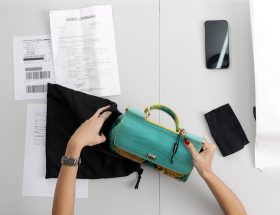
Authenticity and Assurance: One concern that buyers frequently express is authenticity. Reliable resale platforms now implement thorough authentication procedures, ensuring that your second-hand designer acquisition comes with confirmed provenance. Whether you’re purchasing a structured tote or a pair of pre-owned loafers, you know exactly what you’re getting.
The Sustainable Choice: Fashion with a Conscience
Opting for second-hand designer fashion stands as one of the most impactful methods to engage in a more responsible consumption cycle—a deliberate choice with significant environmental and ethical implications.
Promoting a Circular Economy: Each pre-owned designer purchase prolongs the life of a garment, keeping it out of landfills and diminishing the demand for new production. This exemplifies the circular economy in action: a framework purposed to eliminate waste and maintain high-quality resources in usage for as long as possible.
Reducing Environmental Impact: Manufacturing new luxury items requires vast amounts of water, energy, and raw materials. By selecting a pre-owned designer article—whether it’s a coat, a pair of used designer belts, or second-hand designer dresses—you directly reduce the carbon, water, and waste footprints associated with the fashion sector.
Supporting Slower, Smarter Fashion: The resale market naturally fosters a more deliberate approach to wardrobe building. Instead of pursuing every fleeting trend, buyers concentrate on pieces with enduring significance—a pre-owned Balenciaga jacket, a preowned Goyard tote, or a timeless silhouette from used Dolce and Gabbana. Always prioritize quality over quantity.
Ethical Consumption: Embracing second-hand designer fashion makes a bold statement against the culture of disposability. It champions craftsmanship, deliberate purchasing, and a more thoughtful relationship with style—principles that luxury was always intended to represent.
A World of Unique Finds: Curating Your Personal Style
The pre-owned designer market transcends mere cost savings. It’s an exploration for the rare, the iconic, and the discontinued—the arena where authentic personal style is cultivated, away from the uniformity of current-season fashions.
Discover Iconic Brands and Rare Pieces: The second-hand designer market is frequently the exclusive venue to uncover specific runway pieces from previous seasons or styles that are no longer being produced. This presents an opportunity to possess a piece of fashion history and to compose a wardrobe that no algorithm can duplicate.
– Pre-Owned Balenciaga: Seek out iconic items like the highly coveted City bag in a rare colorway from a specific era, or archival ready-to-wear pieces that shaped a generation’s street style.
– Preowned Goyard: Obtain a classic St. Louis